International Research Week on AI and Social Services
12–14 November 2026
The three-day International Research Week at Berlin Catholic University of Applied Social Sciences Berlin (KHSB) explores the opportunities, challenges, and implications of Artificial Intelligence in Social Work and related public services. Researchers, practitioners, students, educators, community organisations, and policy actors are invited to engage in interdisciplinary exchange and collaboration.
Participants are invited to present current research findings, innovative practice projects, and emerging approaches in the field. Through discussion and collaborative reflection, the event aims to foster the exchange of best practices while also identifying research gaps and future fields of inquiry relevant to the development of Social Work and related public services.
The Research Week is funded by the
Programme
Discover the programme of the AI Research Week in Berlin. The programme focuses on the opportunities, challenges and implications of artificial intelligence in social services, with particular attention to professional practice, ethics and values, inclusion and accessibility, AI literacy, organisational change, and the use of AI as a partner in social services.
AI Research Week 2026
9:30 Registration
10:00 Opening
10:15–11:15 Key Lecture
Stella Mia Sieling-Monas & Matilde Høybye Mortensen:
From digitalization to generative AI: Ten years of technological change in Danish social work practice
11:15–12:30 Lunch Break
12:30–14:30 Session 1: Ethics, Values and Professional Identity
Marie Leth Meilvang: Social work writing with AI: Social workers’ role, professional identity and professional ethics in an age of large language models (Chair)
Jelte van Waterschoot, Melissa Laurens: Core values of social work in the age of digitalization and AI
Ida Marie Schröder, Michael Hockenhull: Reconfiguring good social work: Five waves of AI ethics in Danish social work, 2016–2026
Judit Castellví i Majó: Beyond invisible barriers: Intersectional AI auditing in social services
Noga Pitowsky-Nave: Reconstructing professional identity in AI-enabled social work
Theodor Schöwitz: When the model refuses: Governing the use of uncensored language models for casework with violence, abuse and other distressing content
14:30–15:00 Coffee Break
15:00–17:00 Session 2: AI and Emerging Technologies for Inclusion and Accessibility
Robert Lehmann: Inclusive AI through participation? Opportunities and new barriers for people with disabilities (Chair)
Limor Gadot: “Be an Interface Between Work and Me” – GAI Employment Support Agent: Integrating the Perspectives of People with Disabilities and Employment Professionals
Mads Aarup: Between support and risk: Autistic adults’ experiences with AI chatbots
Daniela Tamaš: The use of virtual reality and wearable sensors in the assessment of early signs of distress in adults with profound autism
Tim Vanhove, Jana Verplancke: Limiting AI chatbots in mental health: Focus on empathy or on escalation?
17:00–17:30 Coffee Break with Poster Presentation
Stewart Palmer: What exactly is AI? Learnings from two cocreation workshops held with social care bachelor students
17:30–18:00 Tool Demonstration
Theodor Schöwitz: SoKI Platform: A data-sovereign AI for social work that analyses and visualises case files, records and summarises conversations, drafts support plans and reports
9:00–11:00 Session 3: AI as a Partner in Social Services
Bozana Meinhardt-Injac (Chair)
Theodor Schöwitz: Practising the hard conversations: Learning with generative AI personas in social services
Judith Reuter, Andrea D. Schwanzer, Christian Böttcher, Donika Mirena: Developing a socially interactive agent with and for older adults in long-term care: Work in progress from cAIre_lab (innovation lab for artificial intelligence and inclusion)
Jan Zöllick: Training professional empathy: A role-prompted AI chatbot for practicing communicative skills for challenging situations
Michael Bauwens: Using AI in social services to boost efficiency and empower clients – a practical case
Dragan Stoll: Case reports unlocked: Assessing child protection case factors from casework narratives with AI methods
Theodor Schöwitz: AI in offender services: Opportunities and risks of AI-supported documentation in the Probation and Court Assistance Service of Baden-Württemberg
11:00–11:30 Coffee Break
11:30–13:30 Session 4: Learning, Sensemaking and Organizational Change in the Age of AI
Lutz Siemer: Digitalisation, AI and sustainability in social work (Chair)
Thomas Dierker: When the learning object learns: AI and organizational learning in social work organizations
Nadine von der Meulen: Digital transformation, artificial intelligence and professional well-being in social work: Exploring burden, relief and professional responsibility
Anja Svejgaard Pors: GenAI as backdoor technology in welfare work
Jelte van Waterschoot: AI technologies for early identification in communities
Liesanth Yde Nirmalarajan: How do social workers make sense of predictive risk modelling in child and family welfare services?
13:30–14:30 Lunch Break
14:30–16:30 Session 5: AI-Literacy and Professional Learning
Angelique Tinga, Sjors Groeneveld: AI competencies for social work professionals (Chair)
Davy Dhondt: Building AI literacy for social professionals: Lessons learned from the VIVES MOOC AI for social professionals
Inga Sell, Ariane Kuhnla, Nora Perseke: Data literacy as the foundation of AI literacy – Building capacity in civil society
Matteo Adamoli, Paolo Raviolo: Integrating artificial intelligence into Italian socio-educational services: Multidimensional analysis and co-design perspectives in the TEACH-AI project
Noga Pitowsky-Nave: Beyond the supervisor–student dyad: The GUIDE model for AI-informed social work supervision
Bozana Meinhardt-Injac: Learning to Respond: AI-Enhanced VR Training for Challenging Behavior (VR4SENS)
16:30–17:00 Coffee Break
17:00–18:00 Tool Demonstration
Christina Dinar, David Döhring: AI as orientation, not automation: Demonstrating a knowledge-based assistant for digital streetwork practice
Tal Elyoseph, Hani Nouman, Guy Enosh: Training social workers for policy change: Development and evaluation of a generative-AI multi-agent simulator
09:00–09:45 Parallel Workshops
The Digital Data Divide
Sjors Groeneveld
Decoding Privilege: Power, Agency, and AI in Assistive Technology
Milica Vasić
09:45–10:00 Coffee Break
10:00–11:30 Project Pitch & Matchmaking
Short project pitches, matchmaking and discussion to develop project ideas, connect potential partners, and identify next steps.
11:30–12:00 Closing
Invited Contributions
Abstract
Situated within one of the world’s most highly digitalized public sectors, Danish social work has been shaped by extensive investments in digital infrastructure and data-driven governance. This keynote explores the development of digital technologies and particularly AI in Danish social work over the last decade. The presentation examines how these developments have intersected with a field characterized by individualized, case-oriented interventions and a strong emphasis on statutory practice.
The keynote traces three waves of digitalization: first, the introduction of digital case management systems and increasing standardization of social work; second, the growing use of data collection, performance metrics, and predictive algorithms; and third, the recent emergence of generative AI and automated text production. Drawing particularly on the Danish Public Employment Services (PES) as a case, the presentation discusses examples such as the STAR predictive algorithm and recent applications of generative AI, including Fasit.
Overall, the keynote aims to reflect on how AI is transforming professional practice, organizational control, and decision-making in contemporary Danish social work.
Dr. Stella Mia Sieling-Monas, Associate Professor, University College Copenhagen, Denmark
Dr. Stella Mia Sieling-Monas, Associate Professor at the school of Social Work in Copenhagen, Denmark is involved with research in the intersection between digitalization, social work practise, and socially vulnerable target groups. She is responsible for her institute’s initiative on research concerning the digitalization of public sector and within social work.
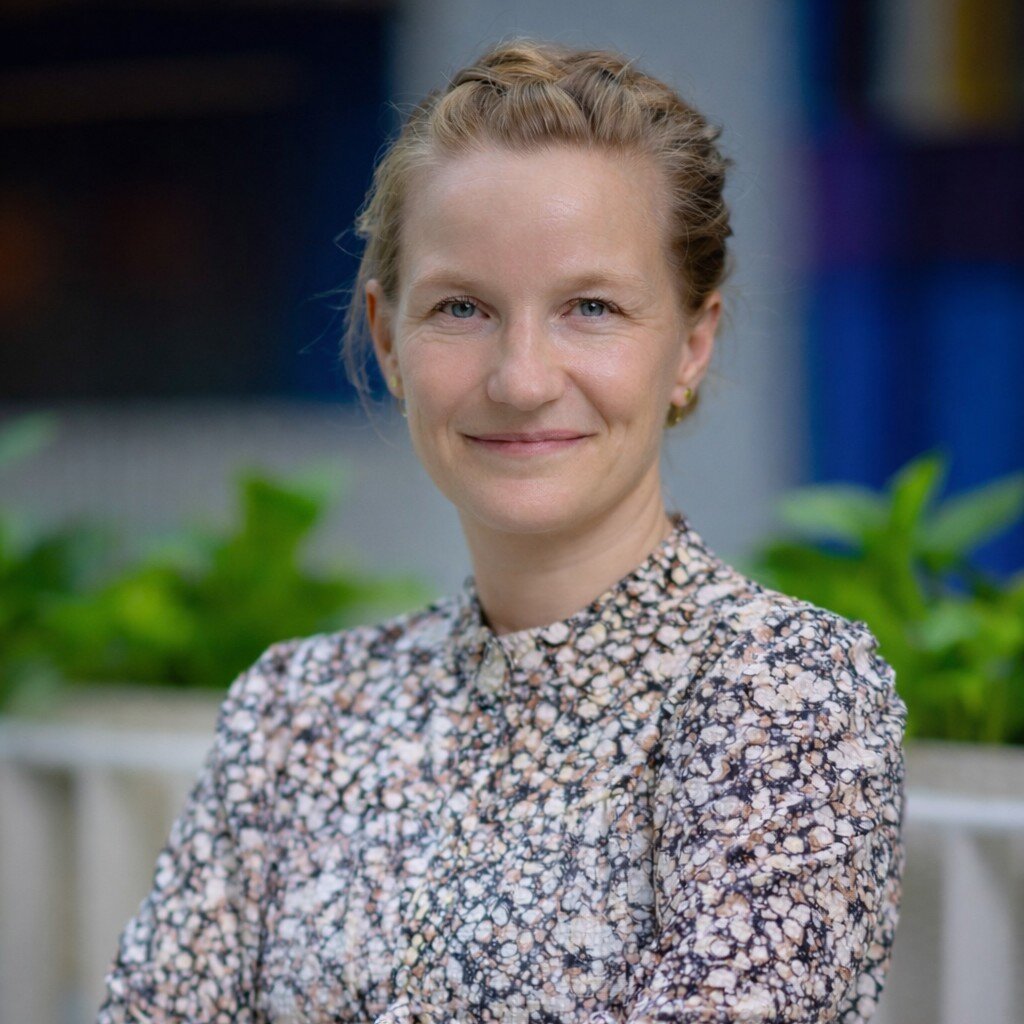
Prof. Dr. Matilde Høybye Mortensen, University College VIA, Denmark
Dr. Matilde Høybye-Mortensen, senior associate professor, has done research on social work for the last 20 years. Particular research on the use of technology within social work, decision making and discretion. She also teaches at the school of social work.

Abstract
Situated within one of the world’s most highly digitalized public sectors, Danish social work has been shaped by extensive investments in digital infrastructure and data-driven governance. This keynote explores the development of digital technologies and particularly AI in Danish social work over the last decade. The presentation examines how these developments have intersected with a field characterized by individualized, case-oriented interventions and a strong emphasis on statutory practice.
The keynote traces three waves of digitalization: first, the introduction of digital case management systems and increasing standardization of social work; second, the growing use of data collection, performance metrics, and predictive algorithms; and third, the recent emergence of generative AI and automated text production. Drawing particularly on the Danish Public Employment Services (PES) as a case, the presentation discusses examples such as the STAR predictive algorithm and recent applications of generative AI, including Fasit.
Overall, the keynote aims to reflect on how AI is transforming professional practice, organizational control, and decision-making in contemporary Danish social work.
Marie Leth Meilvang, PhD, Associate Professor, Center of Applied Welfare Research, UCL University College Odense, Denmark
Marie’s research focuses on the relationship between professional work, organizations, politics, and legitimacy, specifically related to digitalization and technology. Her current research focuses on AI in social work and health care work. She has published in Sociology, Current Sociology; British Journal of Social Work and European Journal of Social Work.
Abstract
Artificial intelligence offers significant opportunities to enhance participation for people with disabilities. AI-based technologies can make communication and information more accessible, support different forms of expression, and reduce barriers in digital environments. At the same time, the increasing integration of AI into communication and social services can also create new barriers or reproduce normative assumptions about communication, ability and appropriate behaviour.
Drawing on findings and experiences from several research and development projects, the presentation looks at this ambivalence between enabling participation and producing new forms of digital exclusion. A special focus is put on the DiBaKo project, in which people with different disabilities tested an AI-supported system integrating speech recognition, speech synthesis and emotion recognition into videoconferencing. Similar questions are currently further investigated in the DFG-funded research initiative SPEECHES, where the Multi-Modal Online Counseling project deals with AI-supported transcription, content analysis, emotion recognition and language simplification in psychosocial online counseling.
The findings from DiBaKo show that the effects of AI-based assistance cannot be understood only from the technical functionality. Speech recognition may reduce cognitive barriers while at the same time remaining inaccessible to blind users; speech synthesis can strengthen communicative agency, but also raises questions about voice, identity and control; and emotion recognition may provide orientation while also introducing normative interpretations of emotional expression. An important point is that many of these tensions and design requirements only became visible through the active involvement of users themselves.
The presentation therefore argues that participatory development is an important condition for inclusive AI. People with disabilities and users of social services should not only be addressed as recipients or test users of technological solutions, but should be involved as experts in defining problems, evaluating technologies and shaping their further development. The experiences from DiBaKo and the ongoing work in SPEECHES show the necessity to understand inclusive AI as an ongoing negotiation between technological possibilities, individual needs, professional contexts and user perspectives. Participation is therefore not only an additional feature of inclusive AI development, but a prerequisite for making sure that AI expands opportunities for participation instead of creating new forms of exclusion.
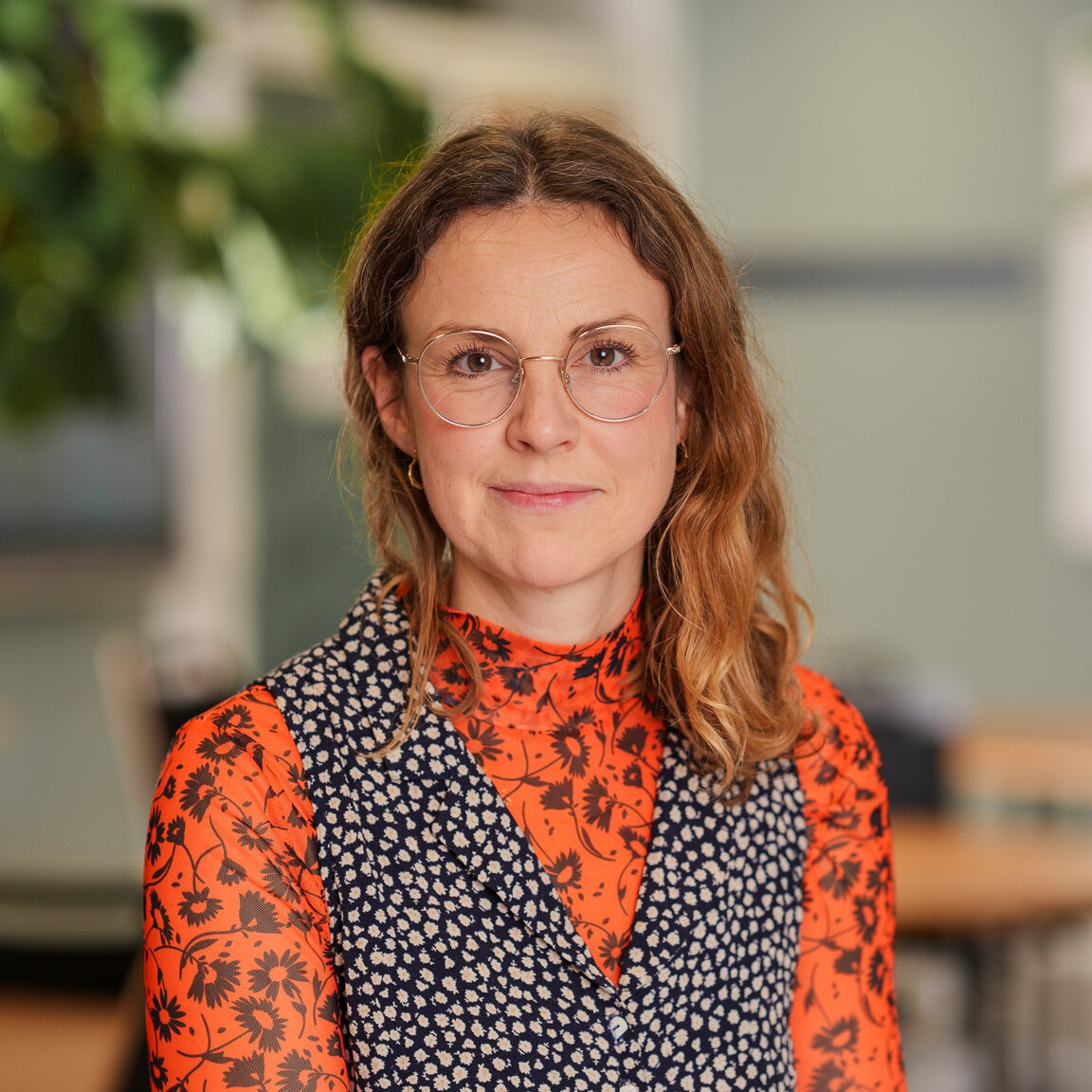
Prof. Dr. Robert Lehmann, TH Nürnberg, Germany
Prof. Dr. Robert Lehmann is Professor of Theories and Methods of Social Work at the Faculty of Social Sciences, Technische Hochschule Nürnberg Georg Simon Ohm, and Academic Director of the Institut für E-Beratung. His research and teaching focus on the digital transformation of social work, psychosocial online counseling, and the application of artificial intelligence in social work. At the Institut für E-Beratung, he investigates innovative ways of enhancing digital counseling and educational services through digital technologies. Moreover, he collaborates in interdisciplinary research teams to explore how AI-based technologies can expand participation opportunities for people with disabilities and contribute to more inclusive social services.
Abstract
Two major transformations are currently shaping social work, health and education: the rapid development of digital technologies and artificial intelligence, and the growing urgency of sustainability and climate-related challenges. Although often discussed separately, these developments increasingly influence one another in professional practice.
This presentation explores a central question: Under what conditions can AI contribute to more sustainable social work? It considers social, ecological and economic sustainability, examining potential benefits such as improved access to services and reduced administrative workloads alongside risks to inclusion, professional relationships and long-term organisational autonomy.
Drawing on a conceptual framework developed in the author’s book chapter manuscript, the presentation introduces a reflection matrix that connects three areas of digitalisation—professional activities, tools and professional discourses—with the three sustainability dimensions (Siemer, n.d.). An illustrative case of an AI-supported counselling system demonstrates how the matrix can make competing priorities visible and support reasoned professional decisions. The matrix is presented as a reflective tool rather than a validated assessment instrument.
Recent literature on AI’s environmental impacts broadens this analysis beyond electricity consumption to carbon emissions, water use, material requirements and the unequal geographical distribution of environmental burdens (Gröger et al., 2025; Aczel et al., 2026; Barnett-Itzhaki, 2026). These concerns are considered alongside ethical questions of fairness, accountability and professional responsibility in social work (Reamer, 2023).
The presentation examines the relationship in both directions: how AI may support or undermine sustainability, and how sustainability goals can guide its development, selection and use. It offers a practical basis for discussion and for critical professional judgement about socially and ecologically responsible digitalisation.
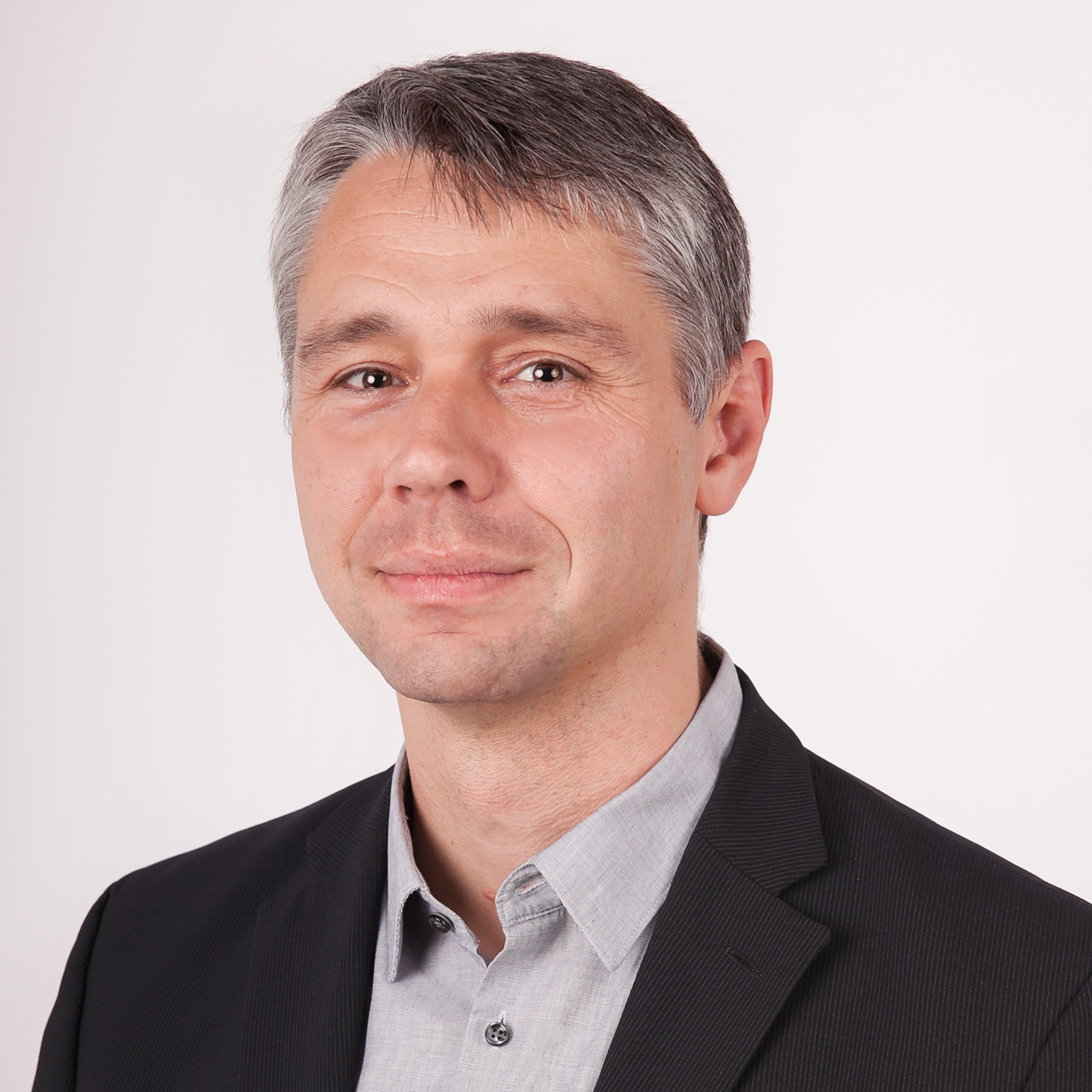
Dr. Lutz Siemer, Saxion University of Applied Sciences, the Netherlands
Dr. Lutz Siemer holds a degree in psychology and is a lecturer in social work at Saxion University of Applied Sciences and in clinical psychology at MEU (Study Center of the DIPLOMA University of Applied Sciences). He is also a research associate at HeurekaNet – Freies Institut für Bildung, Forschung und Innovation e. V. As part of projects and courses, he analyses digital and AI-based applications and discusses their significance for social justice and sustainable development.

Abstract
Artificial intelligence is increasingly influencing professional practice in social work. While discussions about AI often focus on technological developments or ethical concerns, there is still limited clarity regarding the specific competencies social work professionals need in order to work critically, responsibly and effectively with AI-supported systems.
Several competency frameworks already exist, also specifically for AI. However, these models are often developed within sector-specific contexts and may not fully address the relational, ethical and justice-oriented dimensions that characterize social work practice.
This interactive session aims to explore how existing (AI) competency models can inform the development of a competence framework specifically for social work professionals. Drawing on emerging work, including recent initiatives around AI competencies for nurses, participants will collaboratively reflect on which knowledge, skills, attitudes and ethical capacities are needed in social work contexts.
The session will invite participants to compare international perspectives, identify overlaps and gaps between existing models, and discuss how AI competencies can be embedded within professional values such as participation, inclusion, empowerment and social justice. Through dialogue and collaborative exchange, the workshop seeks to contribute to the development of a shared and practice-oriented understanding of AI literacy and professional competence in social work.
Dr. Angelique Tinga; Saxion University of Applied Sciences, the Netherlands
Dr. Angelique Tinga holds a PhD in Cognitive Neuroscience and has extensive experience in human-technology interaction in both healthcare and social work. Her expertise is further complemented by a background in innovative technological developments, including autonomous vehicles, Extended Reality (XR) and Artificial Intelligence (AI). She is a senior researcher and lecturer at Saxion University of Applied Sciences, where she leads research on technological innovation in social work.
Abstract
Assessing distress in adults with profound autism and minimal or absent functional speech relies largely on behavioral observation, which may not capture early changes preceding behavioral escalation. This study aims to identify early physiological and visual-attentional indicators of distress and examine their correspondence across a controlled virtual reality (VR) environment and everyday activities.
A five-week observational study is planned with ten adult men aged 25–35 years with autism, co-occurring intellectual disability, and minimal or absent functional speech. Physiological measures, including electrodermal activity, heart rate variability, pulse, skin temperature, and movement, will be monitored using the EmbracePlus wearable device, while gaze fixation and gaze aversion will be recorded through VR-based eye tracking. Day-care staff will document participants’ behavior and activity context.
Particular emphasis will be placed on the preparation phase for VR use through individualized visual strategies. Participants will receive up to three brief familiarization sessions using visual supports, predictable sequences, and gradual introduction to VR content in calm, low-stimulation conditions. Sessions will last 15–30 minutes and will be conducted only when participants are calm and willing to participate, with predefined criteria for termination. This preparatory phase is considered essential for reducing uncertainty and distress associated with unfamiliar technology, supporting participant safety, and improving the reliability and interpretability of collected data.
The study is expected to identify individual physiological and visual-attentional patterns preceding observable signs of distress. Findings may support earlier recognition of stress, individualized interventions, and the development of assistive warning or biofeedback systems. The study will particularly highlight visual-strategy-based individualized preparation as a prerequisite for safe and meaningful VR-based assessment in people with profound autism.
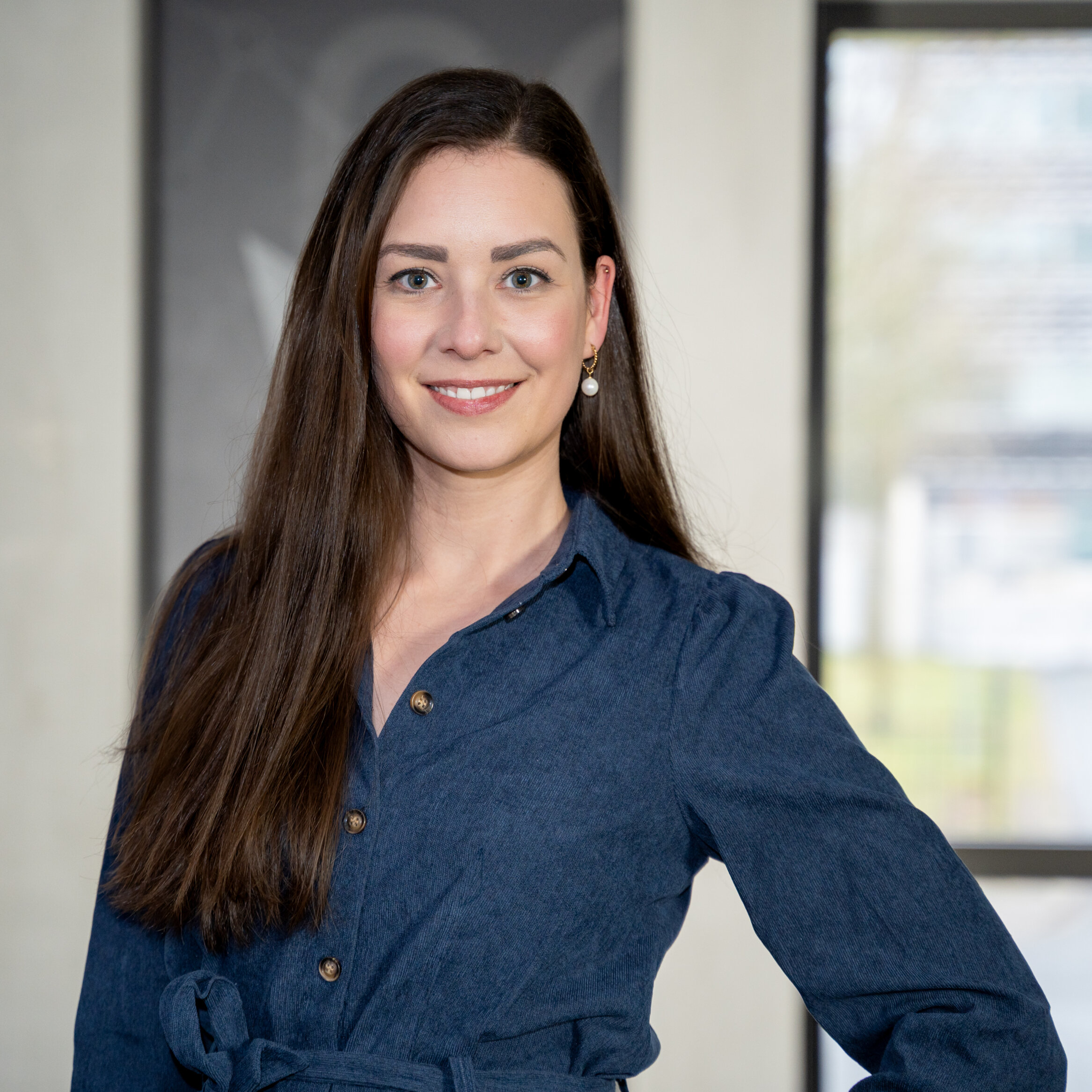
Prof. Dr. Daniela Tamaš; University of Novi Sad, Serbia
Prof. Dr. Daniela Tamaš is an Associate Professor at the Department of Special Education and Rehabilitation, Faculty of Medicine, University of Novi Sad. Trained as a speech-language pathologist, she has more than 25 years of professional and research experience in autism spectrum disorders, communication, quality of life of people with disabilities, and individualized support. Her research interests include the use of emerging technologies in the assessment and support of people with autism, physical activity, sexuality of people with disabilities, and inclusion. She has participated as an author, co-author, coordinator, and collaborator in national and international research and professional projects. She is the author and co-author of numerous scientific and professional publications, textbooks, manuals, and professional development programmes.

Abstract
Power and privilege shape access to resources and decision-making, yet these mechanisms remain hidden in professional practice. Using the Power and Privilege Wheel, this workshop examines how structural characteristics influence the positioning of individuals with developmental disabilities within systems of power, progressively applying this framework to assistive technology (AT) and artificial intelligence (AI). Participants will explore whether these emerging technologies truly expand user agency and meaningful choice, or if they inadvertently reproduce and deepen existing inequalities and dependency.
By the end of the workshop, participants will be able to:
Identify how dimensions of power and privilege influence access to resources and decision-making.
Apply the Power and Privilege Wheel to evaluate autonomy and choice for individuals with developmental disabilities.
Critically examine how assistive technology and AI impact agency, participation, and independence.
Recognize technological barriers, such as affordability, digital literacy, institutional structures, and algorithmic bias that contribute to inequalities.
Reflect on professional roles in supporting equitable access and meaningful choice regarding AT and AI.
This 45-minute interactive workshop combines brief theoretical input with participant-centered activities. Attendees will first explore the Power and Privilege Wheel through individual reflection and small-group analysis of how structural characteristics impact individuals with developmental disabilities. Next, participants will analyze case scenarios involving AT and emerging AI tools to evaluate who controls resources, makes decisions, and benefits. Comparative exercises will highlight the tension between AI’s capacity to reduce barriers and its risk of reinforcing inequalities through algorithmic bias or unequal access. The session concludes with a structured reflection linking these dynamics to daily professional practice.
Milica Vasić, Msc, University of Novi Sad, Serbia
Milica Vasić is a Speech and Language Pathologist and Teaching Associate at the University of Novi Sad, Faculty of Medicine, Department of Special Education and Rehabilitation, Novi Sad, Serbia. She is currently pursuing doctoral studies in Neuroscience. Her academic and professional interests focus on assistive technology, augmentative and alternative communication (AAC), and technology-based supports in special education and rehabilitation. In recent years, she has served as a teaching assistant in the course Assistive Technology within the Special Education and Rehabilitation program and has authored several publications in the field. Her current interests also include the emerging role of artificial intelligence in assistive technology, particularly its implications for autonomy, participation, inclusion, and equity.

Registration
The registration deadline for participation without a contribution is October 25. If you would like to attend, please send us an email. Participation is free of charge!
Participation is limited to 120 people on a first-come, first-served basis.
Please note: Travel costs for participation could be financed through Erasmus+ under certain conditions.
Funders
Ansprechpersonen
If you have any questions, we will be happy to help you.